Unlock the Magic of Photoshop Animation Learn How to Save Your Work as a GIF Easily
Animations are a great way to spice up your videos or websites. But creating them doesn’t have to be complicated! Follow along and see how easy it is to use basic images and icons to make your own charming frame animations in Photoshop.
Learn how to cut out objects from their backgrounds, create realistic shadows, quickly change the color of icons, and use the Frame Animation Timeline in Photoshop to bring a simple scene to life.

When most people think about creating animations, Photoshop isn’t the first program that comes to mind. While Adobe Premiere and Adobe After Effects might be more powerful tools overall, Photoshop is still a very capable option for adding basic motion to an image. So if you’re most comfortable using Photoshop and are in the market for some simple animations, then this is the tutorial for you!
Photoshop Versus Lightroom: How To Choose The Right One?
If you do want to learn a little bit of After Effects, we have a 2-part tutorial where we create some text and a gradient in Photoshop and then use After Effects to add a beautiful animation!
All the animation magic in Photoshop is made possible by the Timeline. If you’re familiar with the basics of video and animation, you’ll know that a timeline is simply a display of how different visual elements appear and change in a scene over a set duration of time. You can find the Timeline by clicking on the Window Menu and then the Timeline option.
There’s the Video Timeline, which is great for more fluid and dynamic motion and more complex scenes. Then there is the Frame Animation Timeline which works like a slideshow, allowing you to create multiple frames and string them together. The Frame Animation Timeline is a little easier to use, so that’s the one we’ll be looking at today.
Filters In Photoshop: Transforming Images Creatively
Frame Animations are pretty easy to work with. When you first create a Frame Animation, it will start with just a single frame that contains everything visible in your Photoshop project.
If you create a second frame, it will also contain everything visible in the project. But each frame can then be changed and edited independently.
Say, for example, you have a line of text that says “I LOVE ” as the first frame in your timeline. You then create a second frame and then flip that text upside down. When you play the animation, you’ll see the text first, then see it flip upside-down, and then back again.
Photoshop Drawing: How To Draw Cartoon Characters Step By Step
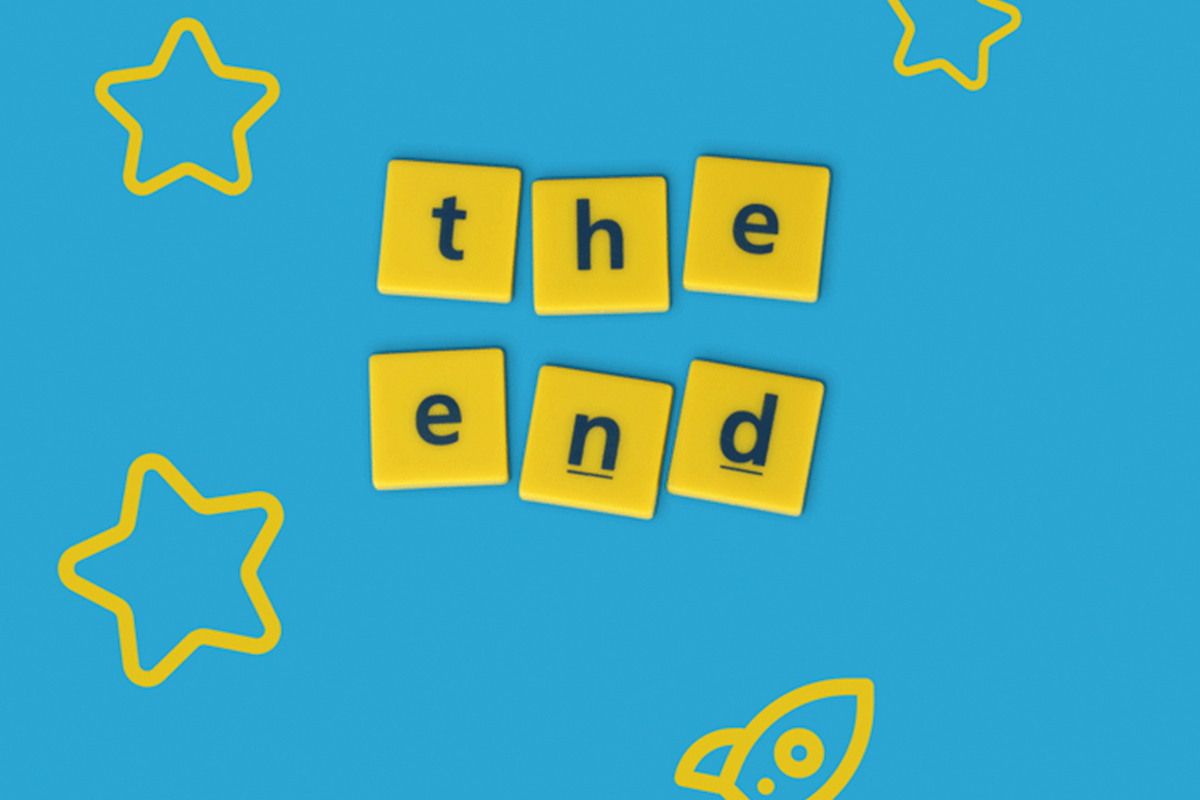
Here you can see a 2-frame animation where each letter is just slightly rotated. It’s easy to do and creates an effective animation!
And there’s no limit to the number of frames you can make! By combining multiple frames with simple changes to an image, you can create fun and easy animations that are perfect for websites, ads, or for video title cards. You can also set the duration of each frame within Photoshop, which gives you even more control over the speed and feel of your animations.
The Move and Transform Tools should be your go-tos for creating basic animations. You can scale objects, rotate objects, or move objects across the canvas for different effects. In our example, we added a slight rotation to each letter across several frames, added slight rotation to the star icons across several frames, and moved the rocket icon bit-by-bit across the frames, making it look like it’s flying across the corner of the canvas.
Ai Animation With Dall E 2, Photoshop And After Effects
These tools make it easy to create animations using basic elements like text, shapes, and icons. It helps to be able to adjust each element individually, so you’ll want to make sure each piece is on its own Layer.
And then place each individual letter on its own Layer. This allowed us to adjust each element individually to create a more stylized animation.
This might require you to cut some things out of their background or Duplicate a Layer multiple times, but it’s relatively easy to do and will make the final animation that much more dynamic. If you need to learn how to cut things out and remove backgrounds in Photoshop, check out our PRO course, How to Change & Remove Backgrounds in Photoshop
Six Ways To Remove Practically Anything In Photoshop
Once all of the frames are set, it’s time to export your animation. There are a couple of ways to do this depending on what type of file you want and where you want to display it. If it’s going on a website, a GIF is probably the best way to go. Go to File, Export, Save for Web (Legacy), and select GIF from the drop-down at the top right of the dialog.
If you want to use it as a title card in a video or if you want to upload it to a platform like YouTube, you’ll most likely want to save it as an MP4. To do this, go to File, Export, Render Video, and select MP4 while adjusting the settings to your preference.If you've ever been fascinated by moving images, you're in the right place. Today, we'll dive into an exciting subject—animation in Photoshop. This user-friendly software isn't just for image editing; it's also a powerful tool for creating dynamic animations. By using the animator's toolbar in Photoshop, you can bring your illustrations to life. So, let's get started, shall we?
Animation in Photoshop is the process of turning static images into lively, moving visuals. It's a little like making a flip book. You create a series of images, and when you play them back quickly, it looks like your artwork is moving. This is all possible thanks to the animator's toolbar in Photoshop.
Adobe Adds Ai Magic To Photoshop And Premiere Elements
There are two main types of animations you can create in Photoshop—frame animations and timeline animations. Frame animations are more straightforward and are perfect for simple animations. On the other hand, timeline animations offer more control and flexibility, making them ideal for more complex animations.
You can use the animator's toolbar in Photoshop to create these animations. This toolbar is packed with features that make the animation process much easier. Here's what you can do with it:

As you can see, the animator's toolbar in Photoshop is an incredibly helpful tool for creating animations. With some practice and patience, you'll be animating like a pro in no time. And remember, the key to creating great animations is to experiment, have fun, and let your creativity flow.
A Quick Guide To Photoshop Menus
Before we start animating, let's set up our workspace. By customizing your workspace in Photoshop, you can have all the tools you need right at your fingertips. It's like organizing your desk before you start working: it saves time and keeps you focused.
And there you have it! Your workspace is now set up for animation. You should see the timeline at the bottom of your screen and the animator's toolbar on the side. With these tools, you're ready to start animating. So, let's move on to the fun part: creating your first animation in Photoshop!
Now that your workspace is all set up, let's dive right into creating a frame animation. Imagine a flip book: each page is a frame, and when you flip through the pages quickly, it looks like the pictures are moving. That's the basic idea behind a frame animation.
Create An Interactive Poster With Animation Using Adobe Indesign
There you have it! You've just created your first frame animation with Photoshop. The animator's toolbar and timeline are your best friends in this process, so don't be afraid to play around with them and see what fun animations you can come up with.
So, you've mastered the art of frame animation. Great job! Now let's take a step further into the world of Photoshop animation and explore timeline animation. This method provides you with more control over your animation, making it perfect for more complex sequences. Ready? Let's get started.

And there you have it! You've just created a timeline animation using Photoshop. The animator's toolbar in Photoshop is incredibly powerful when it comes to timeline animations, so don't hesitate to explore its features and get creative with your projects.
How To Create Animated Star Wars Perspective Text Effect In Photoshop Tutorial
Now that you've learned how to create both frame and timeline animations, you might be wondering how to make them really stand out. Creating an effective animation is part art, part science, and part knowing your way around the animator's toolbar in Photoshop. Here are some tips to get you started:
Remember, animation is all about bringing your images to life. So have fun with it, experiment, and see what you can create with the power of the animator's toolbar in Photoshop!
So, you've created an awesome animation with your animator's toolbar in Photoshop and now you're ready to share it with the world. But how do you get your animation out of Photoshop and into a format that others can view? Here's a step-by-step guide:
Learn How To Create A Gleaming Sword Animation.
And there you have it! You're now ready to share your animation with the world. Remember, the animator's toolbar in Photoshop is a powerful tool, but it's only as good as the artist wielding it. So keep practicing, keep experimenting, and most importantly, keep creating!
Now, let's address a few common issues you might encounter while using the animator's toolbar in Photoshop and offer some quick fixes to get you

0 Response to "Unlock the Magic of Photoshop Animation Learn How to Save Your Work as a GIF Easily"
Post a Comment